Discover how digital coaxial cables enhance audio quality in modern setups. Learn key differences from optical, choosing tips, and market trends for audiophiles.
Understanding the Role of Digital Coaxial Cable in Modern Audio Setups
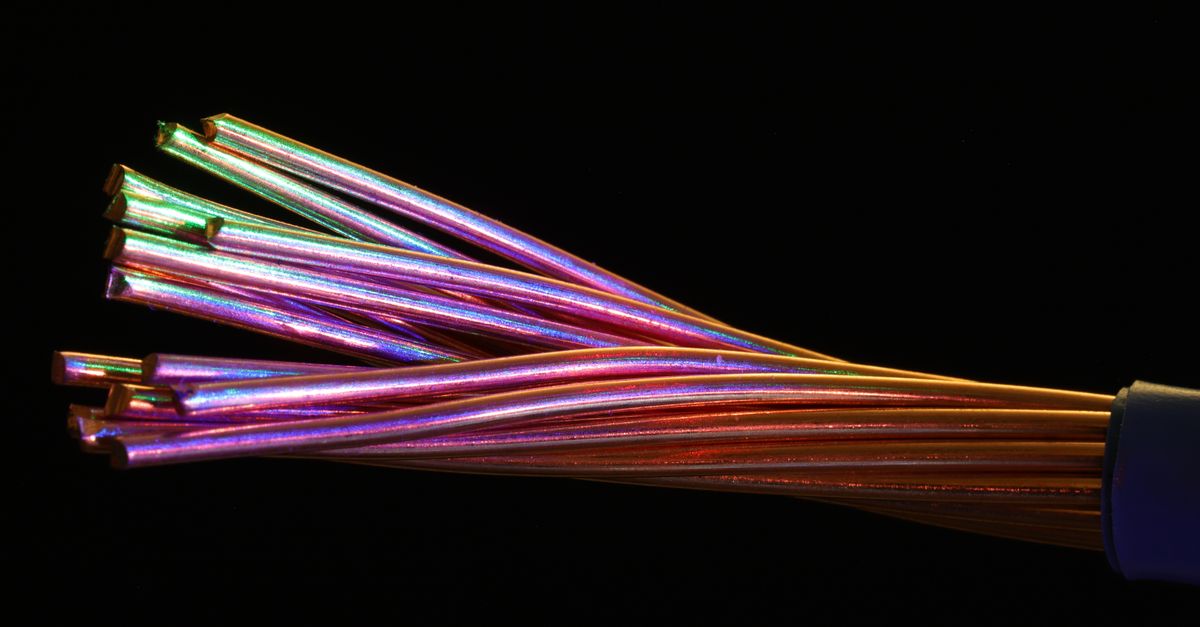
A digital coaxial cable carries S/PDIF signals as an electrical impulse rather than as light, which is what sets it apart from its optical counterpart. Built around a 75-ohm characteristic impedance, this type of cable is designed specifically for high-frequency digital pulses, unlike standard analog RCA leads that share a similar look but not the same electrical properties. The construction typically includes a solid or stranded high-purity copper core, a dielectric insulation layer, and a shield made of foil and braided copper to keep interference at bay. This combination allows the cable to move uncompressed stereo PCM as well as compressed multichannel formats such as Dolby Digital or DTS between a source and a receiver or DAC.
In practical home systems, this cable most often connects CD transports, network streamers, and outboard digital-to-analog converters. Because the signal stays in the electrical domain from end to end, there’s no need for a light-to-electrical conversion, which reduces the chance of added jitter or timing errors. For listeners building a dedicated stereo chain, choosing a well-made digital coaxial cable for the digital link can make a measurable difference in how stable and detailed the final sound comes across. This is one reason the format has remained relevant even as HDMI and eARC have taken over in home theater setups.
Kácsa Audio: Custom-Crafted Digital Coaxial Cables Built on Quality and Trust
Within the wider assortment of interconnects, speaker leads, and accessories available through the shop of Kácsa Audió, digital coaxial cables occupy a dedicated category that spans entry-level assembled models up to cost-no-object designs from established brands. Buyers can choose from ready-made lengths or request a cable tailored to their exact setup, since assembly happens in-house rather than being limited to factory-sealed options. This flexibility matters in real installations, where rack placement and cable routing rarely match the fixed lengths found in generic retail packaging. The team also draws on customer feedback to refine how cables are terminated and finished, treating the sales process as an ongoing exchange rather than a single transaction.
Every assembled cable can be tried at home, in the buyer’s own system, before any purchase commitment is made — a policy that removes much of the guesswork involved in comparing digital coaxial cable options based on specifications alone. This kind of in-system testing is particularly useful for coaxial cables, since differences between conductor materials or shielding approaches can be subtle and system-dependent. Combined with guidance on matching a cable to existing equipment, this approach positions the brand less as a simple retailer and more as a technical partner for the listening room. It’s a distinction that becomes especially relevant once buyers move beyond basic RCA cables into higher-tier digital interconnects.
Digital Coaxial Cable vs Optical: Key Features, Benefits, and How to Choose
The most common alternative to coaxial digital transmission is the optical Toslink connection, and the choice between the two often comes down to distance, bandwidth, and the equipment already in use. Optical cables convert the electrical signal into light and back again, which introduces an extra conversion step at each end and can limit performance with very high sample rates or bit depths. Coaxial cables skip that conversion entirely, which is why many high-resolution audio setups favor them when a compatible coaxial input is available on the DAC or receiver. On the mechanical side, coaxial cables also tolerate tighter bends and rougher handling better than fragile optical fibers, making them a practical choice behind tightly packed equipment racks.
Choosing between the two formats, or picking a specific digital coaxial cable, generally comes down to a handful of practical questions. Buyers should check the impedance rating (75 ohms is the standard for digital audio, distinct from other coax uses), the connector type — RCA for most consumer gear, BNC for some professional and audiophile equipment — and whether the cable’s shielding matches the electromagnetic noise levels typical of a crowded home network. Cable length matters too, since longer digital runs benefit from denser shielding to preserve signal integrity over distance. For listeners upgrading from a stock cable, moving to oxygen-free or monocrystalline copper conductors is one of the more noticeable changes achievable without altering any other part of the system.
Digital Coaxial Audio Cable Market Trends and Emerging Applications to Watch
Demand for digital coaxial cables has shifted alongside the broader audio market, with dedicated two-channel systems keeping the format relevant even as HDMI has become the default in most living-room theater setups. Streaming transports, standalone DACs, and CD players still frequently rely on coaxial S/PDIF connections, and this niche has kept manufacturers focused on refining conductor purity and shielding rather than abandoning the format altogether. Homes are also more saturated with wireless signals and switching power supplies than in the past, which has pushed cable makers toward multi-layer shielding, ferrite chokes, and carbon-based noise dissipation systems to keep interference out of the digital signal path.
On the materials side, oxygen-free copper, monocrystalline (OCC) copper, and silver-plated conductors continue to see steady interest from buyers who want to minimize signal attenuation over longer cable runs. There’s also a growing preference for cables that pair rugged internal insulation with a flexible outer braid, since this makes routing behind equipment racks considerably easier without sacrificing shielding performance. As DAC and streamer designs keep pushing sample rates and bit depths higher, the bandwidth headroom that coaxial connections offer over some optical alternatives is likely to keep this cable type in active use across both budget and reference-level systems.